The information that does come out of remote research centres is frequently couched in a mist of rumour. The world’s health monitors, embassies and experts on infectious diseases have been focused on southeast Siberia in the past few days after a string of concerning reports from the Irkutsk outbreak investigation.
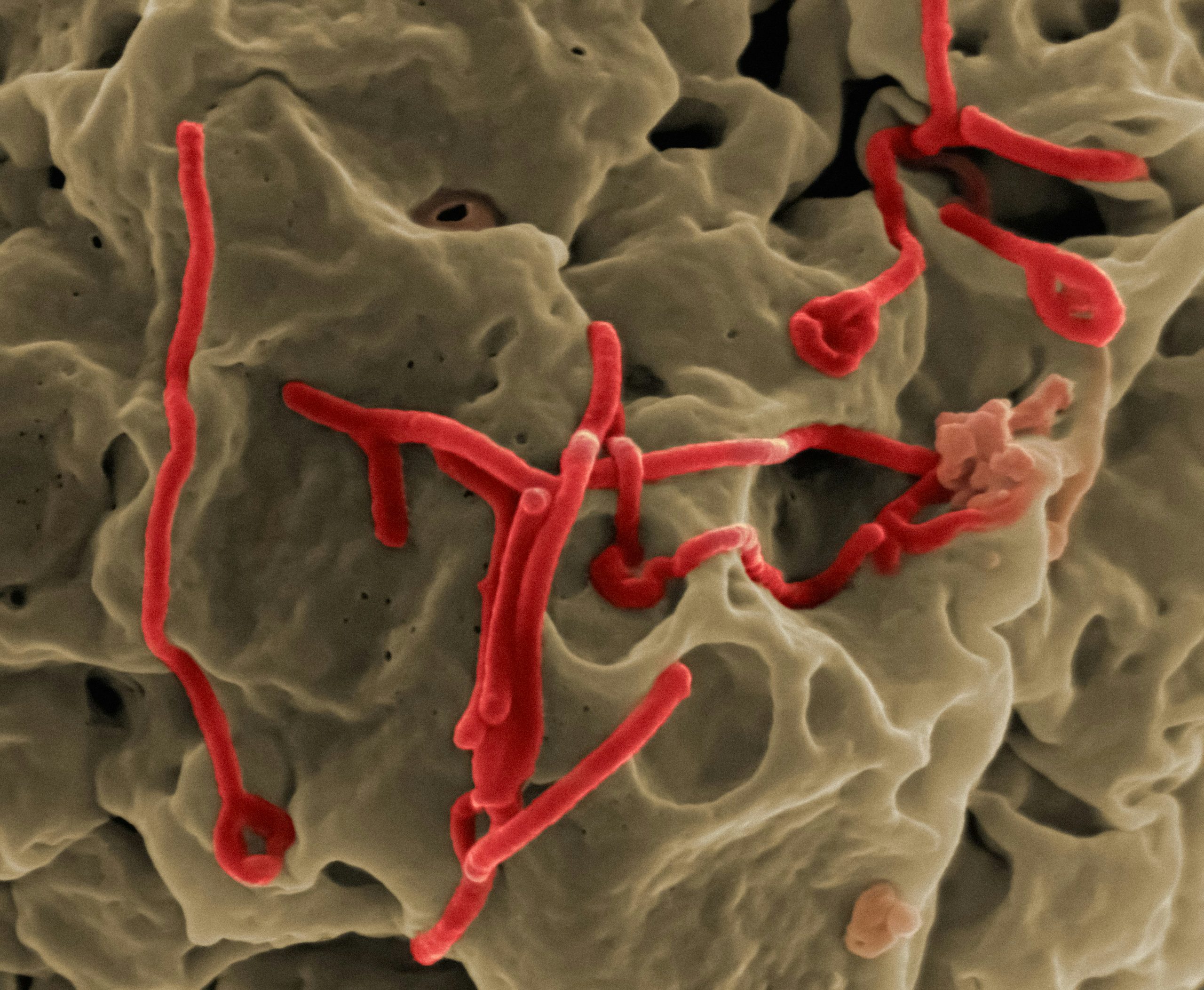
The tale centers on a sad and peculiar incident – the murder of a 28-year old lab technician working for a specialized research institute in Siberia. A local medical emergency was rapidly transformed into an international news story, with local rumours suggesting possible accidental exposure to the bacterium Yersinia pestis, the cause of the plague, and overzealous quarantine measures.
Anyone interested in world health trends will hear the word ‘plague’ or ‘hospital lockdowns’ and collectively gasp. However, amid the confusion, the situation reveals a tricky balancing act between caution and communication and the harsh realities of today’s biosecurity.
The Spark: What Factors Caused the Irkutsk outbreak Scares?
The chronology started to raise questions after reports were received of a young scientist dying from a severe case of pneumonia. Since her job involves working with harmful organisms, unverified local reports spread rapidly claiming she had broken a test tube containing strains of the plague. The prospect of an accidental release of a pathogen was like a script from a thriller, particularly for a world so conscious of how precariously public health can exist.
Russian authorities, however, had other news to report. The newshawks from Rospotrebnadzor, the nation’s consumer and health protection regulatory body, rebutted the story. Tests done on the worker and close contacts did not result in the detection of plague bacteria, according to official updates sent to the World Health Organization (WHO).
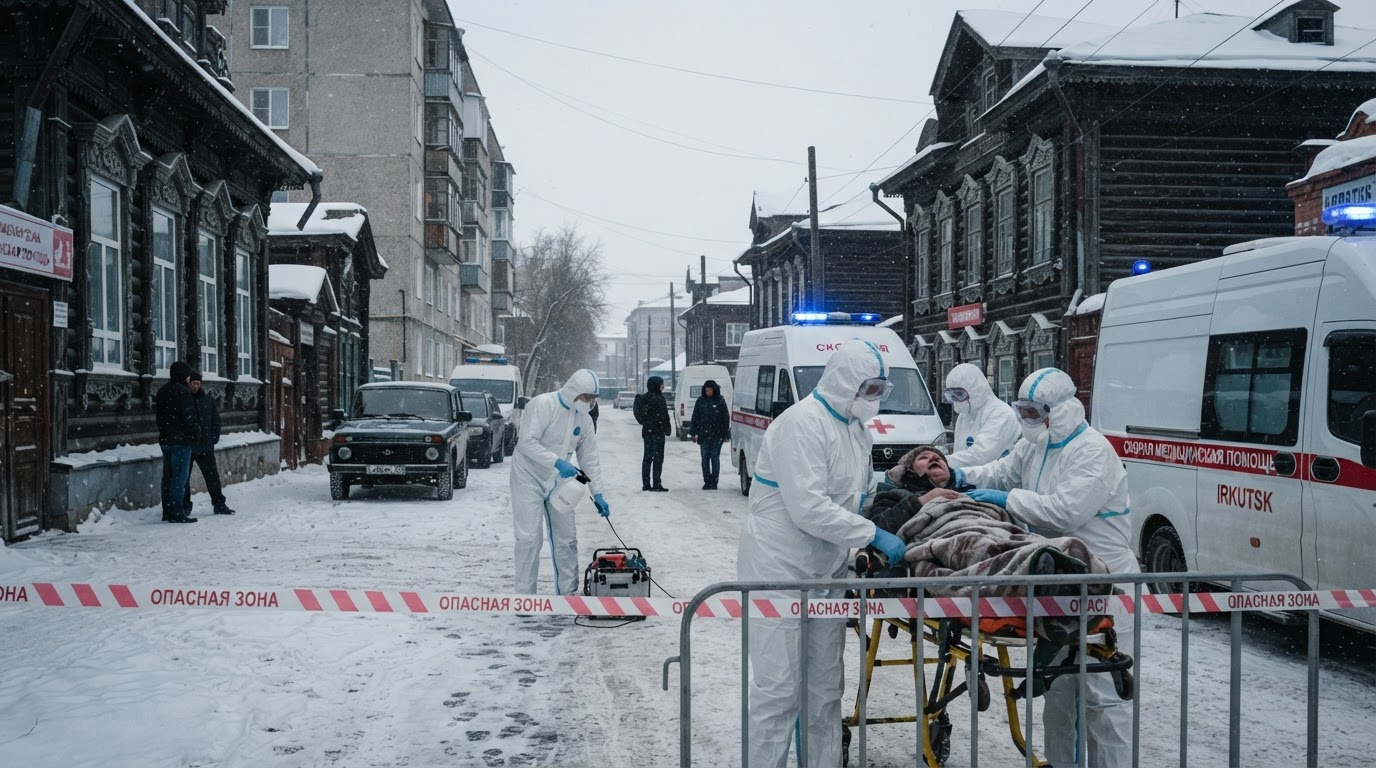
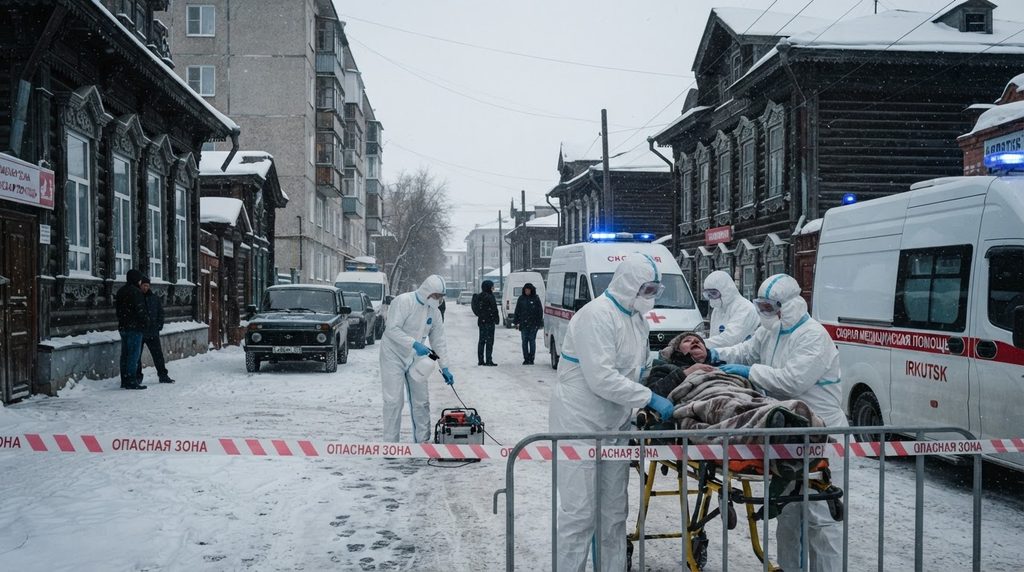
However, according to public health officials, there’s a massive disconnect that remains unresolved and fuels the suspicion: local action on the ground was a much bleaker picture. Up to 200 people were reportedly quarantined and access to hospitals was blocked in some parts of Irkutsk for a brief time.
A hundred people are quarantined, and to infectious disease doctors, that’s an unusually hasty measure for a typical, isolated case of common pneumonia. This is exactly what raised international concerns about the Irkutsk outbreak and led to a formal request by the WHO for better and fuller data from Moscow.
Transparency in the Age of Information
On the other side of the microbial issues is a contemporary conundrum: the conflict between official story and public belief. If information is slow or narrowly controlled, then there is a space to be filled with speculation.
Independent Siberian media and international observers have commented on how murky the situation is. News of regional health events cascades through diplomatic channels—even the U.S. Embassy in Moscow issued a health alert urging travellers and expatriates to keep a close eye on local updates.
It is this opacity that truly concerns global health policy researchers. It’s as important as antibiotics or an isolation ward in epidemiology: the swiftness and transparency. With a potential biological scare, whether it’s a high consequence pathogen or a false alarm that’s been blown out of proportion, the absence of quick and open information sharing creates fear. When it comes to repairing broken trust, it’s harder to stop it than a virus or bacterium.
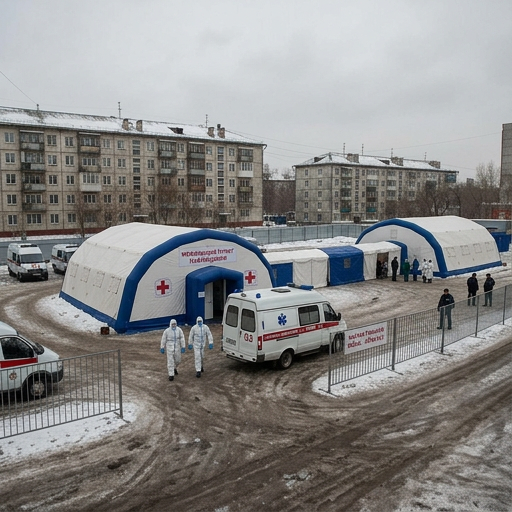
Looking Forward After the Irkutsk outbreak Scares
The environment is fluid at this time. International health organizations insist on getting valid data to explain whether it was a complete fake alarm or a controlled containment of a more serious bio-safety incident.
The incident is a reminder for those who observe day-to-day that there are also invisible networks protecting global public health. Every research establishment has people behind them, protocols and a delicate fabric of trust.
In the absence of definitive data from the ground in Siberia, the expectation is that the truth will outcompete the rumours – that there will be lessons drawn from the Irkutsk outbreak which will be taken from the light and not the dark.