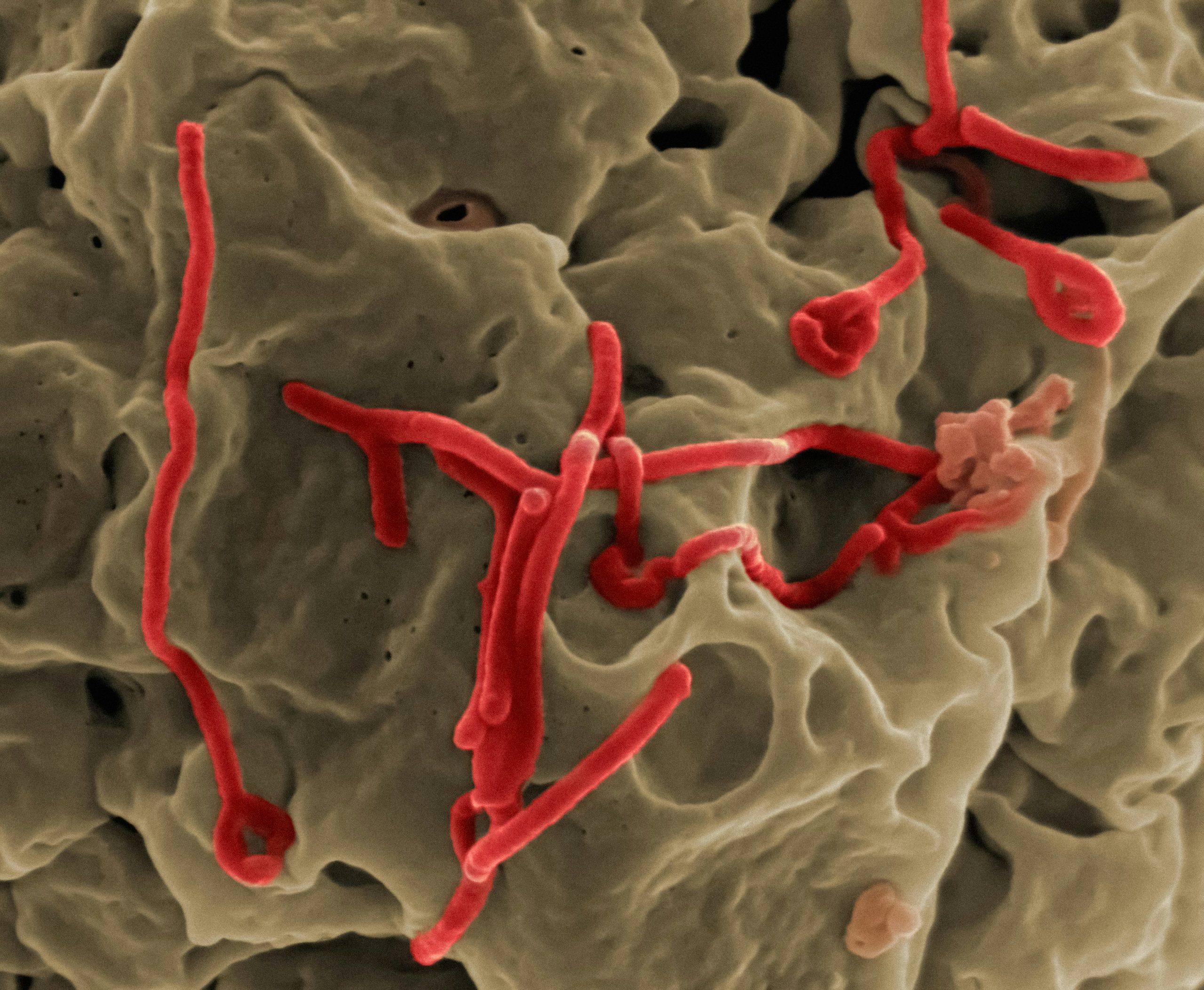
The Ministry of Health in Kenya has confirmed for the first time the country’s imported Ebola Virus Disease (EVD) case. The patient, a Kenyan citizen who had been residing and receiving treatment in the Democratic Republic of the Congo (DRC), has sadly died, Health Cabinet Secretary Aden Duale announced at an emergency press briefing.
Kenya Ebola Health, Safety & Travel Checklist
Stay informed, review emergency precautions, and manage your travel logistics safely following Kenya’s first confirmed Ebola case:
As a country that has never had Ebola in the country since its discovery in 1970, the confirmation has caused a stir in the country, with steps being immediately taken to raise health security levels nationwide.

Journey and Timeline: How the Virus Reached Nairobi
According to detailed briefings provided by the Ministry of Health, it was an imported case of the rare strains of Bundibugyo virus: Background in the DRC: The patient had been living in the DRC for approximately seven years. He became ill around a month before his trip, and visited several local health care providers in an attempt to get back home.
The mode of transport used: The individual travelled on land using a road. He took off from Kampala on Jamb jet Flight No. 8523 with 23 passengers. The aircraft touched down at Jomo Kenyatta International Airport (JKIA) on Saturday, 3rd October 2026 at around 1:00 PM.
Hospitalization: He passed through normal Port Health and immigration checks at JKIA and was picked up by family and friends and taken straight to Nairobi Hospital. He was immediately isolated in the Accident and Emergency unit and was later moved to the East Wing Isolation Facility where he died of the disease.
Swift Government Action and Contact Tracing
Health authorities also have the primary contacts monitored, including those close to the patient’s family and the health care providers who treated him on arrival:
Primary Contacts Monitored: The Ministry has identified 28 primary contacts, including close contact with the patient’s family, as well as those who treated him on his arrival at health authorities. The contacts have been quarantined and monitored for 21 days.
Passenger Tracking: For the 23 other passengers who were on the Jambojet flight from Uganda, tracing is ongoing.Safe Burial Directives: Funeral services and burial will be held in the next 24 hours, and will follow the laws of public health and decorum to ensure the protection of the public from exposure.
Improved Port Screening: Border entry points screening have been stepped up to maximum alert.
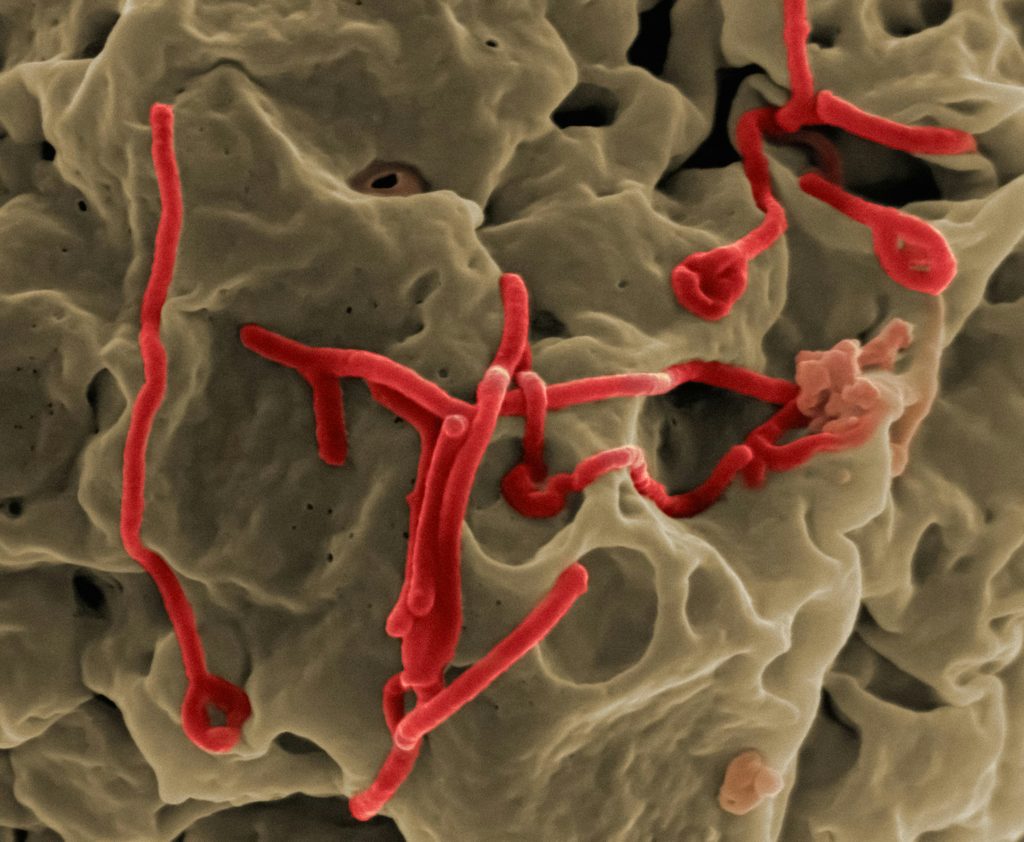
What You Need to Know About Ebola (Bundibugyo Strain)
Ebola Virus Disease is a serious and sometimes deadly disease that begins with a sudden high fever, followed by severe headache, muscle pain, weakness, vomiting, diarrhea and at the very late stages, unexplained bleeding from body orifices.
The virus transmits through broken skin or mucous membranes of infected people, through blood, body fluids (such as feces, urine, stool, vomit, breast milk, saliva, semen, and urine), through contaminated surfaces and bedding.
Authorities are asking citizens to be calm and cooperative with contact-tracing teams and to be watchful. Individuals who experience fever, stomach problems and flu-like symptoms without reason are encouraged to stay away from public areas and seek medical attention or contact the emergency health hotlines right away.
Leave a Reply