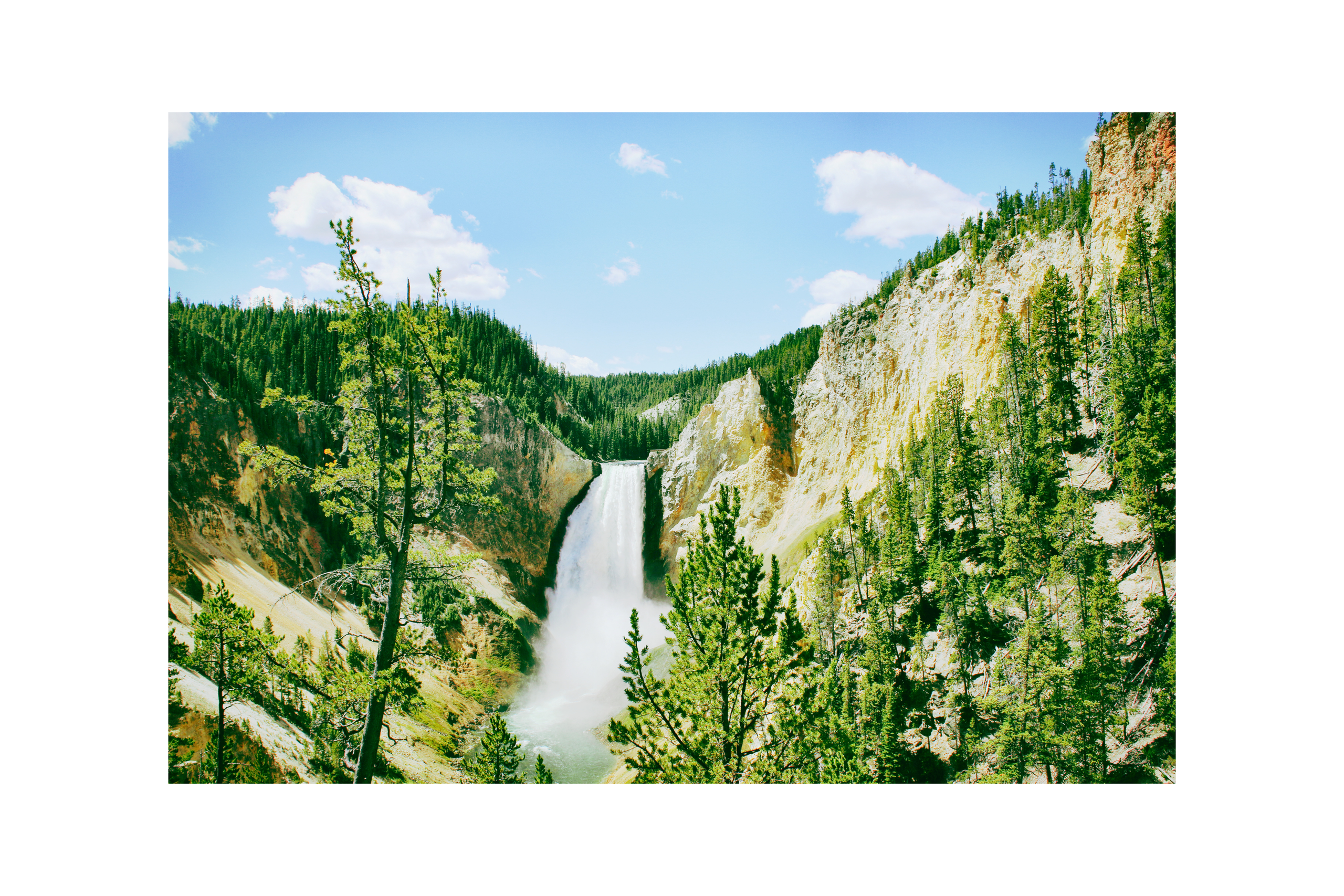
Yellowstone National Park is one of the world’s most spectacular natural parks and conservation successes. America’s oldest national park, created in 1872, is a huge natural preserve that hosts active geothermal basins, deep river canyons, dramatic alpine lakes and abundant North American wildlife.
Quick Yellowstone Booking Checklist
Yellowstone is vast, and mobile reception inside the park is almost non-existent. Lock in these essentials before arriving:
-
🚗
Car Rental (Essential): SUVs and standard cars book out early for Bozeman (BZN) and Jackson (JAC).
Compare Rental Rates on Economybookings → -
🎧
GPS Audio Driving Tour & Transfers: Works 100% offline so you don’t miss geysers or wildlife hotspots.
Get the Yellowstone Audio Guide / Transport via Intui → -
📱
eSIM Data Plan: Keep your maps and messaging active around park gateways without expensive roaming.
Get Instant US eSIM Data via Airalo → -
🛡️
Travel & Outdoor Insurance: Protect your trip against flight delays, lost baggage, and unexpected medical expenses.
Check Affordable Quotes on EKTA →
Covering almost 3,500 square miles, Yellowstone is caught right on top of a sleeping super volcano, and has a dynamic landscape of steam vents, boiling mud pots, and roaring geysers that poke through snow-capped mountain horizons.
Every year, millions of travelers journey to experience its untamed wilderness and geological wonders.
Which state is the Yellowstone National Park in?
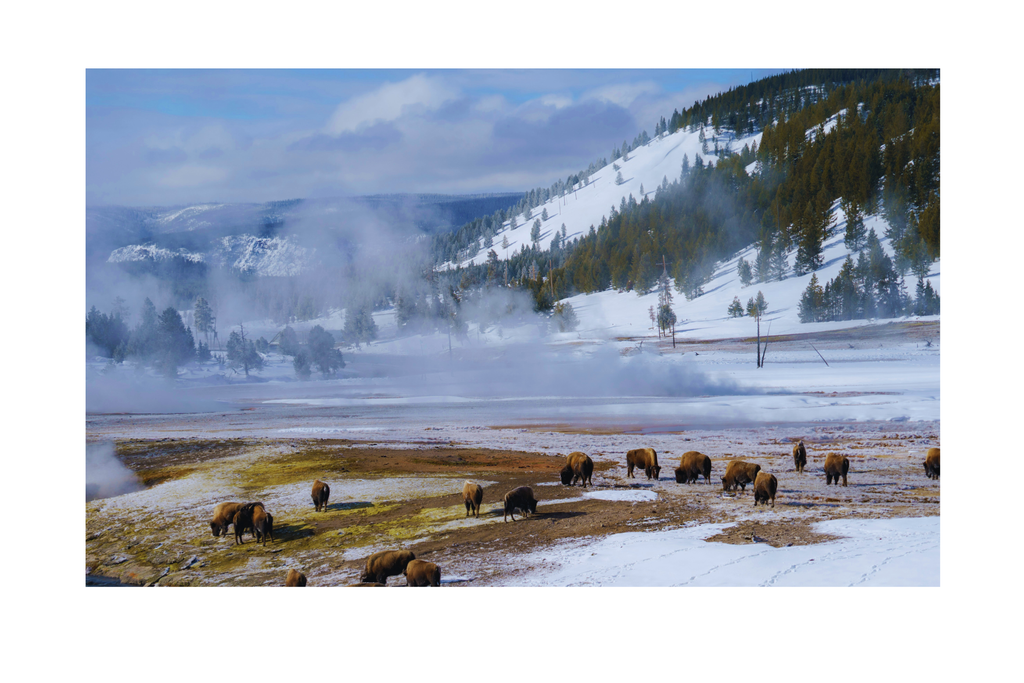
The first question people ask when they look into the park is what is the condition of the park in this state. Although Yellowstone is known to most people as an American state, it actually stretches into three different states: Yellowstone National Park is in the northwest corner of Wyoming about 96%.
Old Faithful, the Grand Prismatic Spring, Yellowstone Lake and the Grand Canyon of the Yellowstone are all within the boundaries of Wyoming and the majority of the Yellowstone’s primary attractions are located within these boundaries.
Approximately 3% of the park is located in southern Montana. Montana is an important gateway state with important entry towns including Gardiner (North Entrance) and West Yellowstone (West Entrance).
In eastern Idaho, about 1% of the park is situated in a small area of unmodified high elevation timberland along the western edge of the Park.
This tri-state geography is useful for visitors to decide on the most convenient airport gateways (e.g., Bozeman or Jackson) and to make efficient driving plans.
Yellowstone National Park is located near the Wyoming-Montana-Utah border.Yellowstone National Park is situated near the border of Wyoming, Montana, and Utah.
Yellowstone National Park is in the north-central Rocky Mountain region of the U.S. western states. Located on the high Yellowstone Plateau, which averages about 8,000 feet above sea level, the park is almost completely surrounded by vast areas of national forest wilderness except on the south side, where it borders on the Grand Teton National Park.
5 Major Entrance Stations Around the Park Border
- The only year-round entrance to paved roads for regular passenger vehicles is North Entrance (Gardiner, MT), which leads directly into Mammoth Hot Springs.
- The busiest summer entrance (West Yellowstone, MT): It brings the visitors near the Norris and Lower Geyser Basin.
- The South Entrance (Jackson, WY), leading to Yellowstone from the John D. Rockefeller, Jr. Memorial Parkway, is the closest connection with the Grand Teton National Park.
- East Entrance (Cody, WY): Dramatic drive over Sylvan Pass down to Yellowstone Lake.
- Northeast Entrance (Cooke City, MT): This entrance offers a direct trail into the Lamar Valley, where wildlife abounds.
The park is traveled on the 142-mile figure-eight system of roads known as the Grand Loop Road, which leads to most of the geyser basins, historic lodges and canyon viewpoints.
##Yellowstone National Park season weather
The weather in Yellowstone National Park is unpredictable, as it is found at a high elevation and in a mountainous area. Weather can shift dramatically: from warm sunshine to the sudden appearance of thunderstorms in the afternoon or patches of snow in a few hours.
It’s important to always pack versatile thermal layers, no matter the season. Season: Average High Temp: Highlights: & Weather Conditions: | | — | — | — | Spring (March-May) 30°F – 50°F (-1°C – 10°C) Cool and unpredictable, melting snow, rushing waterfalls, newborn wildlife.
| **Summer (June–August)** | 70°F to 80°F (21°C to 27°C) | Warm days, crisp nights (30s–40s°F); peak season for hiking, boating, and camping. | The Fall season (September through November) temperatures are between 40 and 60 degrees Fahrenheit (4 and 15 degrees Celsius), crisp sunny days, fall colors, elk rutting and less crowd.
Frigid subzero nights, heavy snowfall, stunning frost landscapes and solitude – this is winter (December-February) in the Northern Rockies. | Summer is a good time to hike, however, early morning is suggested to minimize delays at popular boardwalks.
## Visiting Yellowstone National Park in Winter
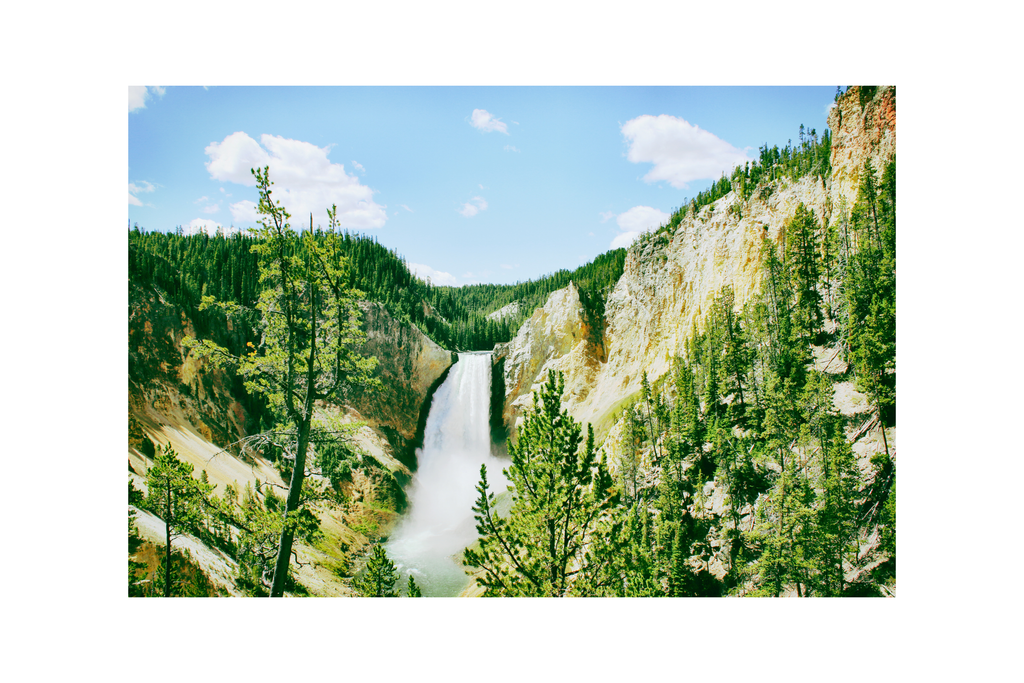
Winter at Yellowstone is a different experience altogether from summer, and it’s quiet and snowy. During the period of mid-December to mid-March the park’s interior is blanketed in a serene expanse of white snow and billowing geothermal steam.
Lowlights and logistics for a winter visit are
Overshow Travel Only: Interior park roads near private cars. For trips to the major attractions, such as Old Faithful or the Grand Canyon of the Yellowstone, you’ll need to reserve a commercial snow coach or snowmobile tour.
The Year-Round Northern Road (YRNR) between Gardiner (North Entrance) and Cooke City (Northeast Entrance) is still plowed and open for regular vehicles, and crosses directly through the Lamar Valley.
Thermal contrast: the contrast between freezing temperatures and hot springs/geysers can be quite spectacular with plumes of steam rising from the springs; mineral waters liquefy surrounding snow, bringing in foraging wildlife.
In lower river valleys, bison, elk, coyotes and wolf packs can be spotted more easily against the white snow drift. The most important highlights and geological features: Most important highlights and geological features: Yellowstone is also renowned for its world-class geological features, in addition to seasonal changes: It is famous for its predictable eruptions at the Old Faithful Geyser, which shoots boiling water as high as 180 ft into the air every 60 – 110 mins.
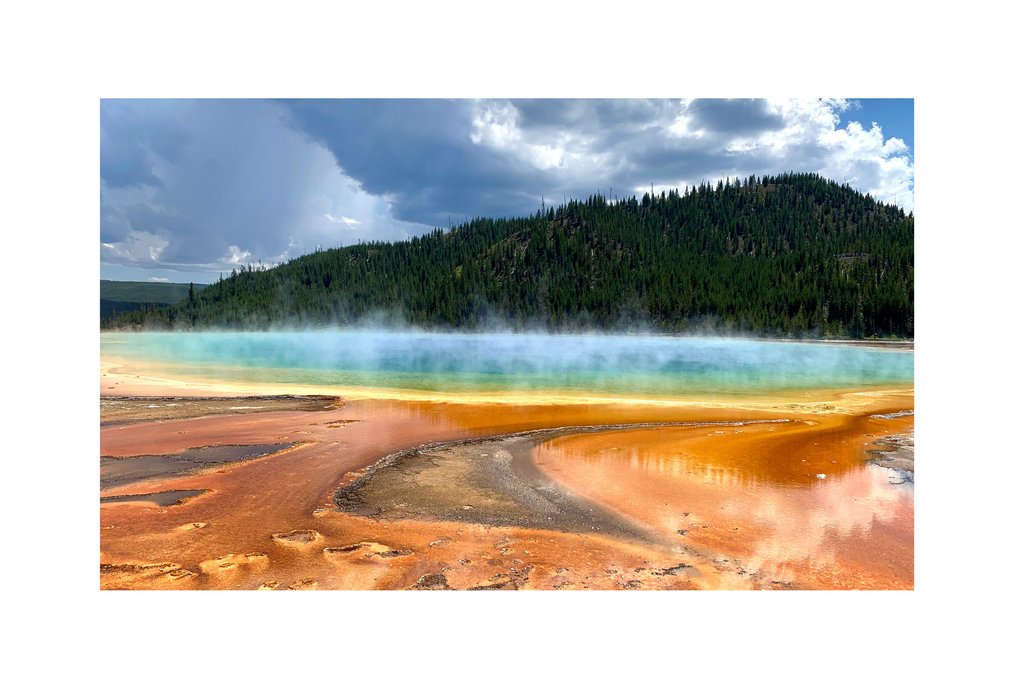
The third largest hot spring in the world, famous for its colourful concentric bands of orange, yellow and deep blue that are a result of thermophilic bacteria. Grand Canyon of the Yellowstone: A stunning 308-foot tall Lower Falls plunges through walls of yellow and pink volcanic rock, 20 miles long.
Lamar Valley: Large open valley suitable for viewing wild bison herds, pronghorns and wolf packs as they live.
Practical Travel Tips For Visitors
To make the most of your trip to Yellowstone: Follow the “Observe Wildlife Rules”: Stay 100 yards away from bears/wolves, 25 yards from bison/elk.
Thermal ground is extremely fragile and scalding hot water is inches away from the surface. Campsite and in-park lodging will open 12 months before and are likely to sell out quickly.
Leave a Reply